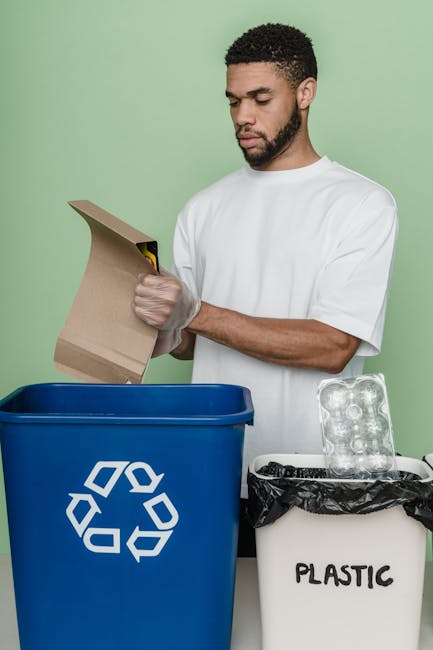
Eco friendly cleaning methods that reduce waste and chemicals
If you want a cleaner home or workplace without the heavy plastic, harsh fumes, and endless disposable wipes, you are in the right place. Eco friendly cleaning methods that reduce waste and chemicals are not about doing less cleaning. They are about cleaning smarter: using fewer products, less packaging, and better habits that still leave surfaces properly clean. In real life, that often means simpler routines, reusable tools, and a lot less clutter under the sink. Truth be told, most people do not need ten products for one kitchen shelf.
This guide walks through what these methods are, why they matter, how they work, and how to put them into practice without making life harder. You will also find a comparison table, a hands-on checklist, common mistakes to avoid, and a realistic example of what this looks like in everyday use.
Why Eco friendly cleaning methods that reduce waste and chemicals Matters
The case for greener cleaning is stronger than it first sounds. A lot of ordinary cleaning routines create avoidable waste: single-use wipes, half-used bottles, throwaway mop heads, plastic trigger sprayers, and products bought for one job when a simpler approach would do. Add strong fragrances and aggressive chemical blends, and you can end up with a space that smells "clean" but feels irritating, especially if anyone in the household has asthma, allergies, or sensitivity to scents.
Eco friendly cleaning methods matter because they focus on what actually gets a surface clean: friction, dwell time, the right tool, and a sensible product choice. In other words, you are not relying on drama in a bottle. You are removing dirt efficiently, with less residue left behind and less environmental burden going out with the waste.
For homes and businesses alike, this approach also fits how people now think about everyday responsibility. Many readers are trying to reduce packaging, cut down on unnecessary consumables, and avoid buying things they barely use. A small shift in cleaning habits can support all three. It is not glamorous, but it does add up.
In a domestic setting, that might mean moving from disposable wipes to washable cloths. In an office, it might mean concentrated refills, colour-coded microfibre cloths, and a streamlined cleaning cupboard rather than rows of duplicate sprays. If you already use services such as domestic cleaning or office cleaning, asking for lower-waste methods is a very reasonable conversation to have.
How Eco friendly cleaning methods that reduce waste and chemicals Works
At the practical level, eco friendly cleaning is a mix of four things: reducing what you use, choosing safer inputs, reusing tools where possible, and cleaning in a way that prevents extra work later. Sounds obvious, but the difference between "eco" and "ineffective" usually comes down to technique, not the label on the bottle.
1. Reduce first
The cleanest product is often the one you do not need to use. If dust and crumbs are removed early, there is less need for strong degreasers later. If a surface is wiped regularly, you avoid baked-on buildup. That means less product, less scrubbing, and less waste. Simple, but effective.
2. Use mechanical cleaning before chemical cleaning
Mechanical cleaning means using physical action: dry dusting, vacuuming, wiping, agitation, or steaming where appropriate. This matters because many messes are mainly physical, not chemical. A good vacuum can remove a surprising amount of grit before any liquid cleaner is needed. For carpets and upholstery, that is a huge deal, which is why regular care and services such as carpet cleaning can help reduce the need for heavy products later.
3. Choose products that are concentrated or multi-purpose
Concentrated products often create less packaging and less transport waste. Multi-purpose products, used correctly, can replace several specialist bottles. That said, there is a balance here. You do not want to force one cleaner onto every surface if it is not suitable. A kitchen worktop, a bathroom tap, and a wooden table do not all need the same treatment.
4. Reuse tools and avoid single-use waste
Microfibre cloths, washable mop heads, refillable spray bottles, sturdy brushes, and bucket systems all cut down on disposable waste. You wash them, dry them, and use them again. Nothing fancy. Just common sense, really.
Used well, these methods can reduce residue on surfaces, make rooms feel fresher, and simplify upkeep. Used badly, they can leave streaks, film, or cross-contamination. So the method matters just as much as the product.
Key Benefits and Practical Advantages
The benefits go beyond being "better for the planet", though that is part of it. There are practical everyday gains too.
- Less packaging waste: fewer bottles, refills, wipes, and disposable cloths going in the bin.
- Fewer harsh fumes: a more comfortable environment, especially in smaller rooms or enclosed spaces.
- Lower risk of product clash: fewer incompatible chemicals stored together under the sink.
- Better control over residue: less sticky film left on surfaces, which can attract dirt.
- Simpler buying decisions: one good cloth system often replaces several throwaway products.
- Potential cost control: when products are concentrated and used properly, you often waste less.
There is also a quiet but important benefit: consistency. A simple eco cleaning routine is easier to maintain. People stick with what feels straightforward. That is why a pared-back method often works better long term than an ambitious "deep clean" plan that collapses by Thursday.
In commercial spaces, there is a brand angle too. Customers and staff notice details. Refillable dispensers, tidier storage, and less synthetic smell can send a subtle message that the business pays attention to the small things. Not a bad look.
Who This Is For and When It Makes Sense
Eco friendly cleaning methods suit more people than you might expect.
- Families with children or pets: fewer strong residues and less clutter around the home.
- People with sensitivities: a lower-fragrance routine may feel more comfortable day to day.
- Busy households: fewer products and reusable cloths make routines easier to manage.
- Landlords and tenants: greener habits can still support good results during end of tenancy cleaning.
- Offices and shared workplaces: lower-waste routines can fit with hygiene goals and procurement standards.
- Property managers: good for regular upkeep, especially where many rooms or surfaces are cleaned frequently.
It also makes sense in situations where over-cleaning is actually causing problems. Too much product can leave residue. Too much scrubbing can damage finishes. Too many wipes can mean piles of waste. If a room is already sealed, ventilated, and cleaned regularly, you often do not need heavy-handed methods.
That said, eco friendly cleaning is not the same as "use nothing". Some areas need a more robust approach. After decorating, for example, or when dealing with oily cooker build-up, you may need a targeted method. The trick is to use only what the task genuinely requires. If you are dealing with baked-on residue, services like oven cleaning can be a practical choice because the job is less about spraying everything and more about using the right process carefully.
Step-by-Step Guidance
If you want to build a lower-waste routine, start small. There is no prize for changing the entire house in one weekend and then feeling fed up by Monday morning.
- Sort by task, not by product. List the surfaces and messes you actually clean: floors, glass, kitchen grease, bathroom limescale, dust, soft furnishings, and so on.
- Remove excess before wet cleaning. Dry dust, vacuum, scrape, or brush first. This reduces how much liquid cleaner you need.
- Choose a reusable tool set. Keep a few microfibre cloths, a mop with washable heads, a brush, a scrub pad, and a refillable spray bottle.
- Pick fewer, better products. Look for simple formulations that suit the job. Avoid buying three different sprays when one concentrate and one specialist product will do.
- Dilute carefully. If a product is designed to be diluted, follow the label. Too strong is wasteful; too weak is frustrating.
- Work from cleanest to dirtiest. This avoids spreading grease and dust around the room.
- Let products dwell briefly when needed. A short pause often does more than aggressive scrubbing.
- Rinse or wipe off residue properly. Eco friendly does not mean leaving cleaner behind on the surface.
- Wash and dry tools. Reusable cloths only stay useful if they are kept in good condition.
- Review what you actually used. After a few weeks, notice what sits untouched. That is often the easiest place to simplify further.
A quick example: for a kitchen counter, you might remove crumbs, wipe with a damp microfibre cloth, then use a minimal amount of suitable cleaner only where needed. For a bathroom sink, you might rinse away toothpaste first, then treat the tap area and basin with one targeted product. Clean, simple, done.
Expert Tips for Better Results
A few small habits make a big difference.
- Use colour-coded cloths. Keep one colour for kitchens, another for bathrooms, and another for general dusting. It is a simple way to reduce cross-contamination.
- Keep spray bottles clearly labelled. If you decant a product, label it with the contents and dilution. Saves confusion later.
- Store products away from heat and direct light. They last better and stay safer to handle.
- Start with the least aggressive method. Try water, cloth, and agitation before reaching for a stronger cleaner.
- Ventilate as you go. Even mild products benefit from fresh air, especially in small flats or bathrooms.
- Test on a hidden patch first. This is especially important on stone, wood, upholstery, and painted finishes.
If you clean professionally or manage a property with multiple rooms, you will notice that systemising the routine saves time. A predictable kit and a predictable order prevent waste. No rummaging. No duplicate bottles. No frantic "where did that sponge go?" moment at 8:10 on a wet Tuesday morning.
For fabrics, carpets, and soft surfaces, regular maintenance is usually gentler than waiting for a complete overhaul. That is why upholstery cleaning and related fabric care can be part of a lower-chemical strategy rather than the opposite of it. The key is to prevent build-up, not chase it later.
Common Mistakes to Avoid
Eco cleaning can go wrong in a few familiar ways.
- Using too much product: more is not better. It often leaves residue and makes rinsing harder.
- Assuming "natural" means safe for everything: even mild ingredients can damage delicate surfaces if used incorrectly.
- Skipping the dry clean stage: wiping wet grime around is not a win.
- Mixing products: never combine cleaners unless the label says it is safe. This is basic but worth saying.
- Choosing one product for every task: convenience matters, but some surfaces need proper care.
- Buying new tools too quickly: a good washable cloth often does more than a drawer full of gadgets.
- Ignoring maintenance: if you let dirt build up for weeks, you will need more effort and likely more product later.
A lot of people also expect instant results. Let's be fair, marketing has trained us to think every spray should dissolve the world in three seconds. Real cleaning does not usually work like that. A little dwell time, a little elbow grease, and a little patience often give the best result.
Tools, Resources and Recommendations
You do not need a specialist kit, but the right basics help enormously.
| Tool or item | Why it helps | Best use |
|---|---|---|
| Microfibre cloths | Reusable, effective at picking up dust and grime | General wiping, polishing, dusting |
| Refillable spray bottle | Reduces single-use plastic and helps control dosage | Daily cleaning and diluted solutions |
| Washable mop head | Less waste than disposable pads | Hard floors and regular maintenance |
| Brushes and scrub pads | Improve mechanical cleaning without extra chemicals | Sinks, grout, tile, stubborn marks |
| Vacuum with good filtration | Removes dust before wet cleaning | Floors, rugs, upholstery prep |
| Concentrated cleaner | Often less packaging and less transport waste | Targeted cleaning when water alone is not enough |
For more involved cleaning needs, it can help to work with a provider whose wider approach includes careful waste handling and sensible product use. If sustainability matters to you, a page like recycling and sustainability can be a useful place to understand how a service thinks about resource use more broadly.
For larger or more sensitive projects, you may also want to read about deep cleaning and one-off cleaning to understand when periodic professional support may be more efficient than constantly over-buying household products. Sometimes the greener answer is not more product, but fewer repeat attempts at the same mess.
Law, Compliance, Standards, or Best Practice
For most households, eco cleaning is a matter of good practice rather than formal regulation. Still, there are sensible standards worth following, particularly in workplaces, rented properties, and customer-facing environments.
In the UK, cleaning products should be used in line with manufacturer instructions and common safety practice. If you are responsible for staff, tenants, or the public, it is wise to think about ventilation, safe storage, labelling, and avoiding incompatible mixtures. In workplaces, a simple written procedure for cleaning tasks can reduce mistakes and make training easier. That is especially relevant in offices, where different people may use the same supplies.
On the practical side, best practice usually means:
- keeping products clearly labelled;
- storing chemicals away from food and out of reach of children;
- using the least aggressive product that still does the job;
- following dilution instructions carefully;
- wearing suitable protective equipment where needed;
- disposing of waste responsibly;
- and checking compatibility before using a new product on delicate surfaces.
If you are a business customer, it is sensible to ask a provider about their health and safety policy and insurance and safety arrangements. That is not being awkward. It is just sensible due diligence, and frankly it saves headaches later.
Options, Methods, or Comparison Table
Different low-waste methods suit different jobs. Here is a straightforward comparison.
| Method | Best for | Waste level | Chemical use | Notes |
|---|---|---|---|---|
| Dry dusting and vacuuming | Regular maintenance | Very low | None | Best first step before any wet cleaning |
| Reusable cloth and water | Light daily cleaning | Very low | None | Good for many surfaces if dirt is fresh |
| Concentrated cleaner with refill bottle | General household cleaning | Low | Low to moderate | Useful when water alone is not enough |
| Steam or hot-water approach | Some hard surfaces and fabrics | Low | None or very low | Needs care; not suitable for everything |
| Specialist targeted treatment | Grease, limescale, built-up grime | Low to moderate | Moderate | Use only where necessary |
The best choice is often a mix. That is the honest answer. A home or office does not need to be cleaned with one method forever. It needs the right method for the condition of the surface. For hard floors, for example, a careful approach matters because finish and material type affect how much water or product you should use. If you are dealing with more specific flooring needs, hard floor cleaning can be a better fit than a generic "one spray for everything" mindset.
Case Study or Real-World Example
Imagine a busy two-bedroom flat shared by two professionals. The cleaning cupboard has four half-empty sprays, a stack of disposable wipes, two damaged cloths, and a mop head that has seen better days. Cleaning happens, but it feels slightly chaotic. One person uses whatever is closest, the other buys a new product every time the bathroom smells a bit damp. Sound familiar?
They decide to simplify. They keep a vacuum, a bucket, a refillable spray bottle, a few washable cloths, and two cleaners only: one general-purpose product and one targeted bathroom product. They also set a basic rule: dry first, wet second. Dust and crumbs are removed before any spray comes out. Cloths go in a wash bag after use. No fancy system. No complicated labelling nightmare. Just enough structure to make the routine work.
After a few weeks, the flat feels less cluttered, the cupboard is calmer, and there is less packaging waste going out each week. More importantly, cleaning takes less mental effort. The routine is easier to keep up. And that matters because the best eco cleaning method is the one people actually continue using.
In a workplace, the same idea scales up. A facilities team may switch to refill systems, standard cloth colours, and task-based product selection. For an office with regular footfall, combining office cleaners with a lower-waste supply setup can keep standards high without drowning the place in plastic.
Practical Checklist
Use this quick checklist before you start.
- Have I removed dust, crumbs, or loose dirt first?
- Am I using a reusable cloth, mop head, or pad where possible?
- Do I really need a cleaner, or will water and friction do the job?
- If I am using a product, am I using the correct dilution?
- Is the product suitable for this specific surface?
- Have I avoided mixing products?
- Is the room ventilated?
- Have I tested on a hidden patch if the surface is delicate?
- Can I refill or reuse this container next time?
- Will this routine reduce waste as well as clean properly?
Quick takeaway: start with removal of dirt, use fewer products, and keep your tools reusable. That combination does most of the heavy lifting.
Conclusion
Eco friendly cleaning methods that reduce waste and chemicals are not about perfection. They are about practical improvements that make cleaning simpler, safer-feeling, and less wasteful over time. Once you stop buying extra bottles for every tiny task, the whole system becomes easier to manage. The cupboard looks calmer. The room smells less synthetic. And the results can still be excellent.
Whether you are cleaning a family home, managing a rental, or keeping a workplace presentable, the same principle applies: remove dirt efficiently, use the least aggressive method that works, and keep waste to a minimum. That is the sweet spot. Not flashy, just effective.
If you are planning a deeper refresh or want professional support with a lower-waste approach, explore the relevant cleaning services and sustainability information on the site, then choose the option that fits your space and routine best.
Get a free quote today and see how much you can save.
Small changes stack up. And once you notice how much simpler a cleaner routine can feel, it is hard to go back.
Frequently Asked Questions
What are eco friendly cleaning methods?
They are cleaning methods that reduce waste, avoid unnecessary chemicals, and rely more on reusable tools, simple routines, and targeted product use. The aim is to clean effectively without creating avoidable rubbish or residue.
Do eco friendly cleaning methods actually work?
Yes, when they are used properly. Dry removal, reusable cloths, the right dilution, and sensible product choice can clean very well. The main difference is technique, not just the label on the bottle.
Can I clean my home without harsh chemicals?
For many everyday tasks, yes. Dusting, vacuuming, wiping with water, and using a mild product only when needed are often enough. Some jobs still need a targeted cleaner, but that does not mean everything needs chemicals.
Are natural cleaning products always better?
Not always. A product being natural does not automatically make it suitable for every surface or situation. It still needs to be effective, safe to use, and appropriate for the task.
What reduces waste the most in cleaning?
Reusable cloths, refillable bottles, washable mop heads, and buying fewer multi-purpose products tend to reduce waste a lot. Avoiding disposable wipes is often one of the biggest improvements.
Is eco friendly cleaning cheaper?
It can be, especially if you use concentrated products correctly and reuse tools for longer. The savings are usually gradual, not dramatic overnight, but they are real.
How do I clean without leaving chemical residue?
Use the smallest amount of product needed, follow dilution instructions, and wipe or rinse surfaces properly. Overusing cleaner is one of the biggest causes of sticky residue.
What should I use for bathrooms and kitchens?
Start with removal of dirt and grease, then use a suitable product for the specific issue. Kitchens often need degreasing; bathrooms may need help with soap scum or limescale. One product rarely does everything brilliantly.
Can eco cleaning help with allergies or sensitivities?
It may help reduce exposure to strong fragrances and heavy residues, which some people find more comfortable. If there are medical concerns, it is best to choose products carefully and seek appropriate advice where needed.
What is the safest way to switch to greener cleaning?
Switch gradually. Replace disposable cloths first, then simplify products, then improve your routine. That way you can see what works and avoid throwing away things you still need.
Do professional cleaners use eco friendly methods?
Many do, especially where customers ask for them or where lower-waste routines fit the property type. It is sensible to ask what products and methods are used before booking.
How often should I review my cleaning routine?
Every few months is a good starting point. If products are going unused, if waste is building up, or if certain tasks feel harder than they should, it is probably time to simplify the routine.