Insurance and Safety for Deep Cleaning Services
 When it comes to professional deep cleaning services, safety is just as important as results. A thorough clean should leave a property refreshed, hygienic, and ready to use, but it should also be delivered with the right protections in place. From public liability insurance to detailed risk assessments, every step matters in creating a service that is dependable and responsible. Clients deserve peace of mind, and that starts with a team that takes deep cleaning safety seriously.
One of the most important safeguards is public liability insurance. This helps protect against accidental damage to property or injury to third parties during a cleaning visit. While trained professionals work carefully to avoid incidents, unexpected situations can still happen in any environment. Having the right cover in place shows that a professional deep clean is backed by a serious commitment to accountability and customer protection.
Insurance is only one part of a wider safety framework. A quality deep cleaning company also invests heavily in staff training, ensuring every cleaner understands safe working methods, equipment handling, and product use. This includes learning how to move through spaces efficiently, identify hazards early, and maintain a high standard of hygiene without compromising safety. In practice, this means each specialist deep cleaning job is approached with care, consistency, and attention to detail.
 Training is not a one-off event. It is an ongoing process that helps teams stay current with best practice, cleaning chemistry, and site-specific risks. Staff are taught how to use machines correctly, how to clean delicate surfaces without causing damage, and how to work safely around clients, residents, or employees who may be present. A well-trained team is a safer team, and that is essential in any professional deep cleaning service.
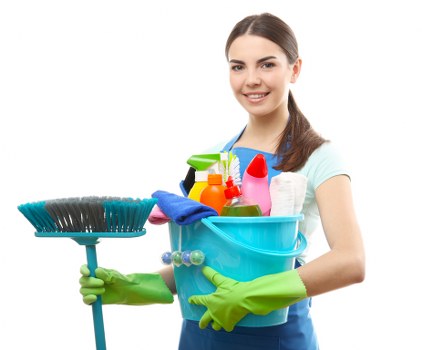
Personal protective equipment, or PPE, is another key element of safe operations. Depending on the task, cleaners may use gloves, masks, aprons, eye protection, or slip-resistant footwear. PPE helps reduce exposure to cleaning chemicals, dust, biological matter, and other contaminants that can be encountered during a deep cleaning service. It also supports cleaner confidence, allowing them to carry out work effectively while staying protected.
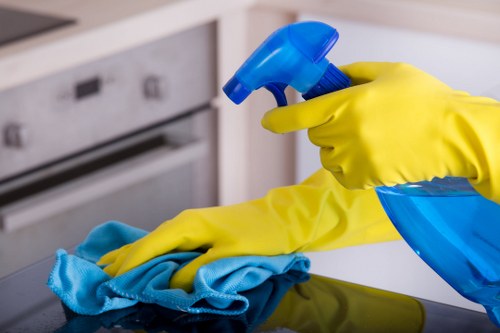 The use of PPE is always matched to the task. For example, a commercial deep clean may require different equipment than a residential property, and a kitchen sanitisation job may involve stronger protective measures than a routine dust removal task. By selecting appropriate PPE and enforcing correct usage, teams can minimise risks and maintain a safe working environment from start to finish.
Before any work begins, a structured risk assessment process is completed. This involves identifying hazards, evaluating who may be affected, and deciding on the most suitable control measures. A thoughtful deep cleaning risk assessment considers factors such as wet floors, electrical equipment, fragile items, chemical storage, ventilation, confined spaces, and access issues. This process helps prevent accidents before they occur and ensures the job is planned responsibly.
Risk assessment is not simply a box-ticking exercise. It informs how the team prepares for the site, what tools they bring, and how the cleaning is sequenced. For instance, if a room has slippery surfaces or limited airflow, the cleaning plan may be adjusted to reduce the chance of falls or inhalation risks. This careful planning is part of what makes a safe deep cleaning service both efficient and dependable.
In addition to planning, safe practice depends on clear communication and supervision. Team members must understand the cleaning scope, the hazards they are likely to encounter, and the correct response if something changes during the job. Supervisors help maintain standards by checking procedures, reinforcing training, and ensuring the correct PPE and equipment are being used. This layered approach supports a consistent deep clean safety culture.
 Safe cleaning also means using products responsibly. Chemicals should be stored, labelled, and diluted according to manufacturer instructions, and team members must know how to avoid mixing incompatible substances. Proper ventilation and controlled application help protect both workers and building occupants. These small but important habits are part of a broader commitment to professional deep cleaning safety and help prevent avoidable incidents.
Another essential part of the process is post-job review. After the work is completed, teams can assess whether the plan worked well, whether any hazards were encountered, and whether future procedures should be improved. This continuous improvement approach helps refine deep cleaning operations over time and ensures safety remains central, not secondary. It also supports a more reliable service for every client and every property type.
 Ultimately, insurance and safety are not extras in deep cleaning services; they are fundamental parts of the service itself. Public liability insurance protects against the unexpected, staff training builds competence, PPE reduces exposure, and the risk assessment process creates a safer plan for every job. Together, these measures deliver trusted deep cleaning that prioritises wellbeing, professionalism, and peace of mind.