Health and Safety Policy for Deep Cleaning
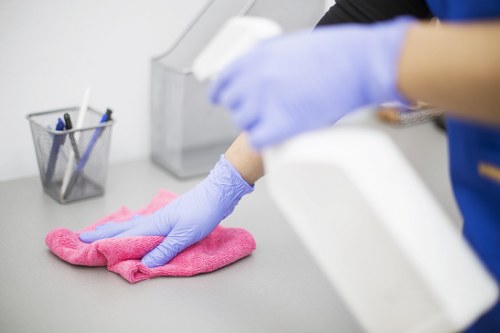 A strong health and safety policy for deep cleaning is essential for protecting staff, clients, and visitors during intensive cleaning work. Deep cleaning often involves contact with dust, grime, chemicals, contaminated surfaces, and awkward access areas, so a clear approach helps reduce risk and maintain a safe working environment. This policy applies to all deep cleaning activities and should be followed by everyone involved in planning, carrying out, or supervising the work.
The purpose of this deep cleaning safety policy is to prevent accidents, reduce exposure to harmful substances, and make sure tasks are completed in a controlled way. It supports safe working practices in homes, offices, commercial premises, and shared spaces. By using proper procedures, the risks linked to heavy-duty cleaning can be managed without compromising quality or efficiency.
Key principles include identifying hazards before work begins, using suitable equipment, and making sure cleaning products are handled correctly. All workers should be informed about the area they are cleaning, the surfaces they may encounter, and any known risks such as sharp objects, biological contamination, or fragile materials. A safe deep cleaning operation depends on preparation as much as on the cleaning itself.
Responsibilities and safe working practices
Managers and supervisors must ensure that deep cleaning tasks are properly planned, with enough time allowed for safe completion. Workers should be trained to recognise hazards, follow instructions, and stop work if conditions become unsafe. Everyone has a responsibility to report damaged equipment, spills, or incidents immediately. A culture of safety is vital, especially where the cleaning work is physically demanding or takes place in difficult environments.
Before starting, a risk assessment should be carried out to consider the location, the type of dirt or contamination, the cleaning method, and the tools required. Safe access must be checked for stairs, confined spaces, wet floors, and areas with poor lighting. Where necessary, warning signs should be placed to prevent slips and unauthorised entry. Deep clean operations should never be rushed, as hurried work can lead to mistakes and injury.
 In the middle of the process, equipment must be used correctly and maintained in good condition. Vacuum cleaners, scrubbers, steam equipment, extension poles, and other tools should be inspected before use. Defective items should be removed from service immediately. Personal protective equipment such as gloves, masks, eye protection, and non-slip footwear should be selected according to the task. When dealing with strong chemicals or dusty areas, extra protection may be needed to reduce exposure.
Chemical handling and infection control
Chemical safety is a major part of any deep cleaning health and safety policy. Cleaning products must be stored, labelled, and diluted according to the manufacturer’s instructions. Different chemicals should never be mixed unless the product guidance clearly allows it. Workers should know how to read safety information and understand the correct response in case of splashes, spills, or inhalation of fumes. Good ventilation is important when using products that may release vapours.
In areas where contamination may be present, infection control measures should be followed carefully. Gloves should be changed when contaminated, disposable materials should be handled safely, and waste should be removed promptly. Surfaces that may have been touched by many people or exposed to bodily fluids need particular care. Cleaning cloths, mop heads, and other reusable items should be washed or sanitised after use to avoid cross-contamination.
It is also important to protect the public and other workers during the job. Access to the cleaning area may need to be restricted while work is underway, especially if machinery, wet floors, or chemical products are involved. Clear communication helps everyone understand when an area is safe to enter again. A well-managed deep cleaning safety policy reduces disruption while maintaining high standards of hygiene.
Emergency procedures and incident response
Emergencies can happen even when good precautions are in place, so workers must know what to do if an accident occurs. First aid arrangements should be available, and incidents such as slips, chemical exposure, cuts, or equipment failure should be reported without delay. If a serious hazard is discovered, work should stop until it has been assessed and made safe. Emergency exits must remain clear at all times.
Spills should be contained quickly using the correct materials and methods. If a chemical is spilled, the product instructions should be followed carefully, and the area should be ventilated where needed. Fire risks should also be considered, particularly when using electrical equipment or flammable products. Safe storage and good housekeeping are both essential to prevent problems from developing.
 Training is a central part of maintaining deep cleaning health and safety. Workers should receive instruction in safe manual handling, product use, infection control, and correct equipment operation. Regular refresher training helps reinforce safe habits and keeps standards consistent. Supervisors should monitor performance and correct unsafe behaviour promptly, ensuring that safety remains part of daily practice rather than an afterthought.
Monitoring, review, and continuous improvement
A health and safety policy for deep cleaning should be reviewed regularly so that it stays effective. Changes in equipment, products, work methods, or building conditions may create new risks that need to be addressed. Reviews should also consider accidents, near misses, and feedback from supervisors about what is working well. Continuous improvement helps strengthen safety performance over time.
Records should be kept for risk assessments, training, equipment checks, and incident reports. These records support accountability and make it easier to identify recurring issues. Good documentation also helps demonstrate that the organisation is taking its responsibilities seriously. Where patterns appear, action should be taken to improve procedures, update training, or introduce better controls.
 Before the final stage of any deep clean, the area should be inspected to confirm that it is dry, tidy, and free from hazards. Tools, waste, and chemicals should be removed, and any remaining risks should be addressed before normal use resumes. Workers should not leave until they are confident that the space is safe and ready for reoccupation.
 In the final part of the process, a clear handover helps ensure that the cleaned area remains safe after the job is complete. Any unusual conditions, damaged fixtures, or unresolved issues should be reported to the relevant person. A well-structured health and safety policy for deep cleaning protects people, supports quality work, and builds confidence in every cleaning operation. When safety is embedded in every stage, deep cleaning can be carried out effectively, responsibly, and with minimal risk.