Mastering the Art of Cleaning Curtains: Essential Tips
Curtains play a vital role in every home, offering elegance, privacy, and a barrier against the outdoor elements. Yet, curtain maintenance is often overlooked, leading to dirt, dust, and accumulated allergens. In this comprehensive guide, we'll explore mastering the art of cleaning curtains, providing you with essential tips for extending the life of your textiles and keeping your home healthy and fresh.
Why Curtain Cleaning Matters
Proper curtain cleaning is about more than appearance. Curtains are magnets for dust, pollen, pet hair, and even odors. Leaving them dirty can negatively impact indoor air quality and trigger allergies or respiratory issues. Regular cleaning can:
- Enhance air quality by removing dust and allergens
- Maintain fabric colors and textures for longevity
- Improve the look of your home instantly
- Eliminate odors and discourage mold or mildew growth
To master curtain cleaning, it's important to first recognize the different types of curtains and their unique care requirements.
Different Types of Curtains & Their Cleaning Needs
Before learning how to clean curtains like a pro, understand the material you're working with. The most common types include:
- Cotton Curtains: A versatile fabric often safe for machine washing.
- Linen Curtains: Require a gentle hand or delicate cycle to prevent shrinkage.
- Velvet Curtains: Need special care, often dry clean only.
- Sheer and Lace Curtains: Delicate, best washed by hand or with a protective laundry bag.
- Blackout Curtains: Feature a rubberized backing, which can deteriorate if exposed to harsh detergents or heat.
- Polyester Curtains: Durable and usually washer-friendly, but avoid high heat to prevent melting.
Check the Label First
Always begin by reading the care label. It provides key information like washing temperature, approved detergents, and whether the curtain is dry-clean only. Following the manufacturer's instructions is crucial for curtain longevity.
Pre-Cleaning Preparation: What You Need to Know
Before launching into the curtain-washing process, take these preparatory steps to ensure the best results:
- Dust removal: Shake the curtains gently outside or use a vacuum with a brush attachment to remove surface dust and dirt.
- Check for stains: Pre-treat tough spots with a gentle stain remover suitable for your curtain's fabric.
- Remove hooks and hardware: Detach all hooks, curtain rings, and other accessories.
- Spot test detergents: Try cleaning solutions on an inconspicuous area to check for colorfastness and damage.
Expert Methods for Washing Curtains
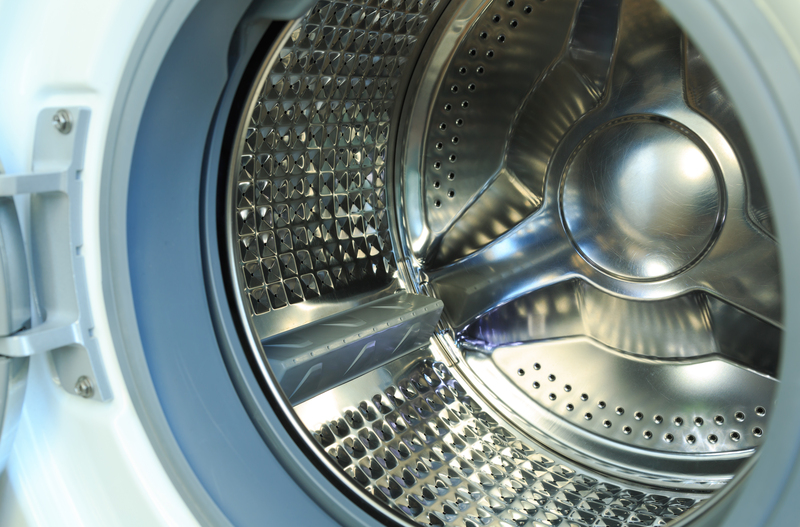
1. Machine Washing Curtains
This is the most convenient method for cleaning cotton, polyester, or microfiber curtains. Here's how to do it right:
- Step 1: Place curtains in the washing machine. If your washer is small, clean one panel at a time.
- Step 2: Choose a gentle cycle with cold water to prevent shrinking or fading.
- Step 3: Use a mild, bleach-free detergent.
- Step 4: Opt for a second rinse cycle to remove all residue.
- Step 5: Hang to dry, using a clothesline or secure rod. Iron on a low setting if necessary.
2. Hand Washing Curtains
Delicate fabrics like lace, voile, and sheer curtains demand hand washing:
- Step 1: Fill a large basin or bathtub with cool to lukewarm water.
- Step 2: Add a gentle detergent and swish to mix.
- Step 3: Submerge curtains, gently agitating the fabric with your hands.
- Step 4: Let soak for 10-15 minutes, then rinse thoroughly until water runs clear.
- Step 5: Squeeze out water by pressing (do not wring), and hang to dry away from direct sunlight.
3. Steam Cleaning Curtains
For heavy or mounted curtains that can't be easily removed, steam cleaning is a practical solution:
- Step 1: Use a handheld garment steamer or upholstery steam cleaner.
- Step 2: Begin at the top and move downwards in small sections.
- Step 3: Keep the nozzle at least a few inches from the fabric to prevent water damage and streaking.
- Step 4: Allow curtains to dry completely with windows open to speed up drying.
4. Dry Cleaning Curtains
Some curtains, especially velvet and silk, are best left to the professionals. Choose a reputable dry cleaner, and specify any concerns with stains or fabric sensitivities. Regular dry cleaning will keep specialty curtains looking their best for years.
Quick Routine Maintenance for Curtains
Mastering curtain maintenance is about more than deep cleaning--it's about regular care.
- Vacuum weekly: Use a soft brush vacuum attachment to remove surface dust.
- Shake off dust: If feasible, give curtains a shake during your regular cleaning routine.
- Spot clean stains: Address spots as soon as they occur with a fabric-safe stain remover.
- Air out monthly: Open windows and let curtains flutter in the breeze for freshening and to prevent stale air.
Establishing a routine will extend the lifespan of your drapes and ensure your home always feels fresh and inviting.
Dealing With Common Curtain Problems
1. How to Remove Tough Stains
- For wine or coffee stains, blot immediately, then apply a solution of white vinegar and water before laundering.
- For grease stains, use a gentle dish soap diluted in warm water, gently blotting at the stain before rinsing.
- For mold and mildew, mix equal parts of water and vinegar, spray the affected area, let sit for ten minutes, and wash as normal.
2. How to Prevent Shrinking and Fading
- Always wash in cold or lukewarm water.
- Avoid harsh detergents, opt for mild or fabric-specific solutions.
- Dry curtains away from direct sunlight to prevent color fading.
- Iron with caution and always on the reverse side.
3. How to Maintain Curtain Shape
- Reshape damp curtains by hand before hanging to dry.
- Use curtain weights for sheers and lightweight drapes to keep them from fluttering out of shape.
- For pleated curtains, smooth pleats into place while damp and secure with pins until dry.
How Often Should Curtains Be Cleaned?
The frequency of curtain cleaning depends on the material, your environment, and whether anyone in your home is susceptible to allergies. As a rule of thumb:
- Sheer and lightweight curtains: Every 2-3 months
- Standard curtains: Twice yearly
- Kitchen curtains: Every few months, due to exposure to grease and food particles
Curtains in high-traffic or heavily polluted areas may require more frequent washing. If pets, smokers, or allergy sufferers share your home, you may benefit from monthly curtain care.
Essential Tips for Curtain Cleaning Success
Best Practices for Long-Lasting Curtains
- Dust first: Always remove as much surface dust as possible before wet washing to prevent mudding the dirt into the fibers.
- Hang immediately: Wet curtains will release wrinkles as they hang dry, reducing the need for ironing.
- Avoid overloading washers: Curtains need room to swish and circulate for an effective clean.
- Check for colorfastness: Dab a little water with detergent on an inconspicuous spot; if dye transfers, opt for dry cleaning.
- Consider allergies: Use fragrance-free products if household members are sensitive.
Eco-Friendly Curtain Cleaning Solutions
Green cleaning methods are safe and sustainable. Try these alternatives:
- Baking soda: Natural deodorizer and gentle scrub, perfect for neutralizing odors and lifting light stains.
- White vinegar: Breaks down stains, removes mold, and brightens fabrics without harsh chemicals.
- Lemon juice: Acts as a natural bleach (test for colorfastness first) and removes tough odors.
Using gentle, eco-friendly products helps preserve curtain quality and benefits the environment.

When to Replace Your Curtains
No matter how meticulous your maintenance, all curtains eventually reach the end of their lifespan. Replace your window treatments if you notice:
- Permanent stains or discoloration that won't budge
- Extensive fabric thinning or fraying
- Visible mildew damage or persistent odors
- Loss of shape, such as warped linings or pleats that won't retain structure
Regular care can delay the need for replacement, keeping your home looking stylish and welcoming.
Conclusion: Become a Curtain Cleaning Pro
Mastering curtain cleaning is a blend of knowledge, routine, and attention to detail. With the right strategies, you can ensure your window coverings remain vibrant, dust-free, and beautiful year-round. Remember to:
- Identify your curtain type and follow the care instructions.
- Schedule routine maintenance--vacuum, air out, and spot-clean as needed.
- Choose appropriate washing methods: machine, hand, steam, or professional dry cleaning.
- Use eco-friendly solutions where possible for a greener clean.
- Be proactive about stains and odors to keep curtains pristine.
By following these essential tips for cleaning curtains, you'll enhance your home's health, preserve your investment, and enjoy the full beauty of your window dressings for years to come.