Quick mattress cleaning techniques for allergy relief
If you wake up sneezing, with itchy eyes, a blocked nose, or that dull heavy feeling that follows you from the bedroom into the day, your mattress may be part of the problem. The good news is that you do not always need a full deep clean or a dramatic overhaul to make a difference. A few quick mattress cleaning techniques for allergy relief can reduce dust, remove surface allergens, and make your bed feel fresher in a surprisingly short time.
This guide is written for real life: busy mornings, limited time, and a mattress that cannot just be whisked away and replaced. You will find practical steps, sensible cautions, and a few small expert habits that can help you breathe easier without making the process complicated. Let's face it, nobody wants to spend their Sunday wrestling with bedding and dust for hours.
Expert summary: If you want the fastest improvement, strip the bed, vacuum the mattress carefully, spot-treat any marks, dry everything thoroughly, and protect the mattress with a washable cover. Small steps, done properly, usually beat one big rushed clean.
Why quick mattress cleaning matters for allergy relief
A mattress collects a lot more than people think. Skin flakes, dust, pollen brought in on hair and clothes, moisture from sweat, and the general grime of everyday life all settle into fabric layers and seams. For someone with allergies or sensitivity, that build-up can become a nightly nuisance. It is not glamorous, but it is very normal.
Quick cleaning matters because the bedroom is where you spend a large chunk of each day. If the mattress is holding onto irritants, you may notice symptoms first thing in the morning: sneezing, wheezing, watery eyes, or that annoying nose-throat irritation that never quite leaves you alone. A cleaner mattress will not cure allergies, of course, but it can reduce one common source of exposure.
There is also a practical side. A fast, regular approach is easier to stick to than an occasional marathon clean. And consistency wins here. If you can keep on top of the surface dust and moisture, the mattress stays fresher and less hospitable to dust mites. That is the real goal: fewer triggers, less build-up, less hassle.
If you are already improving the wider bedroom environment, it can help to think in layers. Fresh bedding, regular vacuuming, and a sensible cleaning routine work better together than one off effort alone. In a larger home clean, some people also review related areas such as domestic cleaning or even one-off cleaning when several rooms need attention at once.
How quick mattress cleaning for allergy relief works
The idea is simple: remove what is sitting on or just inside the surface of the mattress before it has time to keep circulating through your sleep space. You are not trying to strip the mattress back to factory condition. You are trying to reduce allergens in the places they are most likely to affect you.
Quick cleaning works best when you focus on three things:
- Surface removal - lift away dust, dead skin, and loose particles with vacuuming and bedding removal.
- Targeted treatment - deal with spills, odours, or visible marks before they become deeper problems.
- Dryness and protection - keep the mattress dry and covered so allergens have fewer places to settle.
That is why the method is so effective for allergy relief. Dust mites thrive in soft, warm, slightly humid environments. You cannot always remove them completely, but you can make the mattress less comfortable for them and less irritating for you. A bit of airflow helps. A bit of heat helps. A bit of thorough vacuuming helps more than people expect, to be fair.
The trick is not brute force. Over-wetting the mattress or scrubbing hard can push dirt deeper into the fibres, which is the opposite of what you want. Gentle, controlled cleaning is the better path.
Key benefits and practical advantages
For most households, the benefits show up quickly and plainly. You may notice a fresher smell, less dust in the bedroom, and a bed that feels cleaner to get into at night. Small wins, but they count when your nose is already grumpy.
- Less allergen exposure: Regular surface cleaning can reduce dust and other irritants sitting on the mattress.
- Better sleep comfort: A fresher bed can make it easier to settle, especially if congestion has been bothering you.
- Improved bedroom hygiene: Mattress care supports the rest of your cleaning routine.
- Longer mattress life: Cleaning spills promptly helps prevent staining and odour build-up.
- Lower maintenance stress: Fast routines are easier to repeat, which is half the battle.
There is also a psychological benefit, which gets overlooked. If allergies make you feel on edge in your own bed, a clean mattress can give you back a sense of control. That sounds small, but for a lot of people it genuinely changes how the bedroom feels. Less stuffy. Less "ugh". More rest.
For households balancing bedroom hygiene with broader home maintenance, related services like deep cleaning or house cleaning can help establish a more consistent standard across the home.
Who this is for and when it makes sense
This approach is useful for just about anyone, but especially if you are dealing with seasonal allergies, dust sensitivity, asthma triggers, or a bedroom that simply seems to gather dust faster than the rest of the flat. If you share a bed, have pets, or live in a home with carpeted bedrooms, the benefits can be even more noticeable.
It also makes sense when you do not have time for a full professional clean. Maybe you are preparing for guests, recovering from a cold, or trying to improve the bedroom before the next allergy flare-up. In that kind of situation, a quick mattress refresh is the sensible choice.
Households with children often need a practical approach too. Beds get used for sleeping, reading, jumping, and sometimes snack crumbs somehow appear even when no one admits to them. A quick routine is easier to maintain than a perfect one, and that is probably the point.
If your mattress is heavily stained, smells strongly of mildew, or has persistent dampness, quick cleaning may not be enough. That is the moment to pause and consider a more thorough treatment. Likewise, if someone in the home has severe allergies, professional support may be worth exploring alongside your own maintenance routine.
Step-by-step guidance
Here is a practical, fast mattress cleaning routine you can do without turning the bedroom upside down. It should take less time than most people imagine, especially once you have done it once or twice.
1. Strip the bed completely
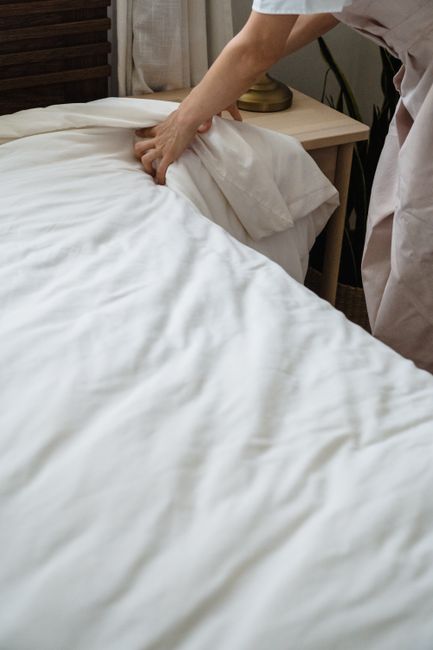
Remove sheets, pillowcases, protectors, and any topper that can be washed. Bag them or take them straight to the laundry so the allergens are not drifting back onto the bed. If possible, wash bedding at the warmest temperature recommended on the care label. For allergy management, clean bedding matters just as much as the mattress itself.
2. Open the windows and let air move
Fresh air helps reduce stuffiness and can speed drying later. On a dry morning, leave the room aired while you clean. If it is a damp London day, just crack the window enough to improve circulation. You do not need a gale.
3. Vacuum the mattress slowly and carefully
Use the upholstery attachment on a vacuum cleaner and move it slowly over the mattress surface. Pay attention to seams, piping, buttons, and the edges where dust hides. Go over both sides if your mattress is flippable. Slow strokes beat fast panicked passes every time.
4. Treat visible spots immediately
For minor stains, use a lightly damp cloth and a small amount of suitable cleaner if needed. Always avoid soaking the mattress. Blot rather than rub. Rubbing tends to spread the mark and can roughen the fabric. If you are dealing with a stubborn spill, a professional upholstery cleaning style approach may be more appropriate than a quick home fix.
5. Deodorise gently if needed
If the mattress smells stale, a light deodorising step can help. Some people use bicarbonate of soda on the surface, leave it for a while, then vacuum it off thoroughly. This can be useful for odours, but it should still be treated as a dry method. A heavy-handed sprinkle-and-scrub routine is a bad idea. Really bad.
6. Dry the mattress fully
Before remaking the bed, make sure the mattress is completely dry. Moisture left inside the layers can make things worse by encouraging mould or a musty smell. If you have used any damp cloth at all, give the area time and airflow. If the room is cool and damp, more time is better than less.
7. Add a clean protector and fresh bedding
Once the mattress is dry, fit a clean, washable mattress protector. Then remake the bed with freshly washed sheets. A protector is one of the simplest ways to slow down allergen build-up, and it makes future cleaning much easier. It is a bit like putting a decent coat on the mattress; not exciting, but sensible.
8. Repeat on a steady schedule
For most homes, a light vacuum every week or two and a more careful mattress refresh every month is a practical rhythm. If allergies are active, you may want to do the surface clean more often. The best schedule is the one you will actually keep.
Expert tips for better results
A quick clean works better when you pair it with a few smart habits. These are small things, but they add up.
- Vacuum before dusting the room: If you clean shelves or skirting first, you often drop dust back onto the mattress. Tidy the bed area first.
- Do not saturate anything: Mattresses hate excess water. A damp patch can take ages to dry and may trap odours.
- Use the mattress protector consistently: Put it back on after every wash, not "later". Later often becomes next week.
- Flip or rotate when recommended: This helps wear distribute more evenly and can stop dust collecting in the same areas.
- Check the bed frame and headboard: Dust often hangs around there too, especially on slatted frames and upholstered headboards.
If allergies are a regular issue, it can also help to reduce bedroom clutter. Extra fabric surfaces collect dust faster than most people realise. Soft toys, piles of clothes, thick throws, and spare cushions can all make the room feel snug but dusty. There is a balance, of course. No one is suggesting a hospital room. Just less fluff.
One practical observation from real homes: the cleanest mattress routines are usually the least dramatic. A slow vacuum, a dry method, fresh linen, and a protector. That is often enough to make a noticeable difference.
Common mistakes to avoid
People often make the mattress problem worse by trying to solve it too quickly. A rushed clean can leave moisture, push dirt deeper, or irritate the fabric. Avoid these common errors:
- Using too much water: A mattress is not a mop bucket.
- Scrubbing stains hard: That can spread the mark and damage the fibres.
- Forgetting to dry fully: Dampness is a bigger problem than a faint surface mark.
- Ignoring seams and edges: That is where a lot of dust collects.
- Using strong-smelling products: Fragrance can irritate some sensitive sleepers.
- Putting bedding back too soon: Trapped moisture leads to stale smells and sometimes mould risk.
Another mistake is assuming that any smell means more liquid is needed. Often the opposite is true. If a mattress smells musty, check for damp, ventilation issues, or old spills that need more careful handling. Throwing more cleaner at the problem rarely improves it.
Tools, resources and recommendations
You do not need a long shopping list to do this properly. In fact, keeping the kit simple makes it much easier to stay consistent.
| Tool or item | Why it helps | Best use |
|---|---|---|
| Vacuum cleaner with upholstery attachment | Lifts dust and loose allergens from the mattress surface | Weekly or fortnightly surface cleaning |
| Microfibre cloth | Useful for gentle spot treatment and blotting | Minor stains and light surface marks |
| Mattress protector | Creates a washable barrier against dust and moisture | Everyday allergy prevention |
| Bicarbonate of soda | Can help absorb odours when used lightly and vacuumed off well | Freshening a mattress between deeper cleans |
| Clean bedding set | Fresh bedding reduces immediate allergen exposure | Right after cleaning and on a regular laundry cycle |
If you prefer not to do the whole job yourself, or if the mattress is part of a bigger cleaning project, you could also look at services such as a cleaning company or home cleaners for broader household support. For larger bedroom resets, professional cleaners may be useful when time is tight and the room needs more than just a quick refresh.
On the practical side, it is worth thinking about the surrounding room too. Mattress cleaning helps most when the bedroom itself is reasonably dust-free. That means regular vacuuming, open windows when weather allows, and keeping an eye on fabric-heavy corners. A tidy room, honestly, makes the mattress easier to keep clean.
Law, compliance, standards and best practice
For a household cleaning task like this, there is not usually a complex legal framework to worry about, but there are still sensible standards and good practice principles. In the UK, cleaning products should be used according to their label instructions, and safety guidance matters especially if you are dealing with sensitive people, children, or pets.
If you are hiring a professional cleaner, it is reasonable to expect safe working practices, appropriate insurance, and clear communication about what is and is not included. A reputable provider should be able to explain their approach to materials, drying, and precautions. Pages such as insurance and safety and health and safety policy are useful places to understand the basics of a provider's standards.
Privacy and booking terms also matter when you are arranging any service in the home. If you decide to ask for help, it is sensible to review the company's published information, including privacy policy and terms and conditions. That is just ordinary due diligence, really, not red tape for the sake of it.
As a best-practice matter, avoid using strong fragrances or unknown chemical mixes on sleeping surfaces. If someone in the household has asthma or a diagnosed allergy, mild products and thorough drying are usually the safer, calmer choice. When in doubt, less is more.
Options, methods and comparison table
There are a few ways to approach mattress cleaning for allergy relief. The right option depends on how much time you have, how dirty the mattress is, and how sensitive the sleeper is.
| Method | Speed | Best for | Watch out for |
|---|---|---|---|
| Vacuum only | Very fast | Regular maintenance and light dust removal | Won't deal with stains or odours |
| Vacuum plus gentle spot cleaning | Fast | Everyday spills and surface marks | Risk of over-wetting if you rush |
| Dry deodorising plus vacuum | Fast to moderate | Freshening and light smell control | Needs thorough vacuuming afterwards |
| Professional deep clean | Slower, but more thorough | Heavier staining, recurring odour, more serious build-up | Costs more and may require drying time |
If your mattress has multiple issues, quick methods may be a stepping stone rather than the full answer. For example, a recent spill on an otherwise healthy mattress is perfect for a quick clean. A bed that has not been looked after in years may need more help. There is no point pretending otherwise.
Case study or real-world example
A common real-world scenario is the late-spring allergy season. A tenant in a flat notices that mornings are worse than evenings: a blocked nose, itchy eyes, and a room that smells slightly stale after the windows have been shut overnight. Nothing dramatic, just enough to be deeply annoying.
They strip the bed, wash the bedding, vacuum the mattress carefully, and leave the room aired while they do it. They pay extra attention to the seams and the head area, where dust often gathers unnoticed. They then fit a clean protector and remake the bed only once everything is dry.
By the next few nights, the room feels fresher and sleeping feels easier. Not perfect, because allergies are rarely that kind, but noticeably better. That is the realistic outcome most people are looking for. Not magic. Just improvement.
In other homes, people combine the same routine with broader support such as one-off cleaning before a guest stay or after a busy period where the bedroom has been neglected. If you are also refreshing furniture and soft surfaces, services like sofa cleaning or rug cleaning may make the whole space feel calmer and cleaner.
Practical checklist
Use this quick checklist when you want to clean the mattress without overthinking it.
- Strip the bed completely.
- Wash bedding and protectors.
- Open windows or improve airflow.
- Vacuum the mattress slowly, including seams and edges.
- Spot-clean only where needed, and keep moisture low.
- Let the mattress dry fully.
- Fit a clean mattress protector.
- Remake the bed with fresh sheets.
- Repeat on a regular schedule.
- Check the room for other dust traps, such as headboards or cluttered corners.
Small tip: If you can smell the mattress before you can see the dirt, it is probably overdue for attention. Not always, but often enough.
For readers wanting a broader bedroom reset, the surrounding furnishings matter too. A freshly cleaned mattress paired with upholstery cleaning and a cleaner room usually gives the best allergy-friendly result.
Get a free quote today and see how much you can save.
Conclusion
Quick mattress cleaning techniques for allergy relief are not complicated, but they do work best when you are steady, gentle, and realistic about what a short clean can achieve. Strip the bed, vacuum carefully, deal with spots promptly, dry everything thoroughly, and protect the mattress afterwards. That combination removes a lot of the common irritants that make sleep uncomfortable in the first place.
The real secret is consistency. A little care done regularly is far better than an occasional frantic clean when symptoms get bad. And once the mattress feels fresher, you will probably notice the bedroom feels easier to live in as well. That is a good place to be.
Sleep should feel restful, not scratchy or stuffy. With the right routine, it can.
Frequently Asked Questions
How often should I clean my mattress for allergy relief?
A light vacuum every week or two is a sensible baseline, with a more detailed refresh monthly if allergies are a problem. If symptoms flare up quickly, increase the frequency a little and keep the bedding washing routine consistent.
Can vacuuming alone really help with mattress allergies?
Yes, vacuuming can make a noticeable difference because it lifts dust and loose particles from the surface. It will not remove everything, but it is one of the quickest and most effective maintenance steps you can do.
Is baking soda safe to use on a mattress?
Used lightly and vacuumed off thoroughly, it is commonly used for freshening. The key is not to leave it damp or overapply it. If the mattress is already prone to moisture or odour, keep the method very controlled.
What should I avoid using on a mattress?
Avoid soaking the mattress, using harsh chemicals, or scrubbing aggressively. Strong fragrance can also be irritating for sensitive sleepers. Gentle methods are usually the safest and most practical choice.
Do mattress protectors help with allergies?
Yes, a washable mattress protector can help keep dust, sweat, and spills from settling directly into the mattress. It also makes regular cleaning much easier, which is important if you are trying to stay ahead of allergens.
How do I know if my mattress needs a deeper clean?
If the mattress has stubborn stains, a lingering smell, signs of damp, or visible build-up that does not improve with vacuuming, it may need more than a quick refresh. At that point, a more thorough clean or professional help may be the better route.
Can mattress cleaning help with dust mite allergies?
It can help reduce the conditions that dust mites like, especially by lowering surface dust and moisture. It is not a cure, but it is a sensible way to reduce exposure in the bedroom.
Should I clean both sides of the mattress?
If your mattress is designed to be flipped, yes, both sides should be cleaned and aired. If it is not, follow the manufacturer's guidance and focus on the sleeping side, edges, and seams.
How long should a mattress dry after spot cleaning?
It depends on how much moisture was used, room temperature, and airflow. As a rule, do not remake the bed until the area is completely dry. If there is any doubt, give it more time.
What if my allergies are still bad after cleaning the mattress?
If symptoms continue, the mattress may only be one part of the issue. Bedding, carpets, curtains, pets, and general room dust can all play a role. It may be worth reviewing the whole bedroom, not just the bed itself.
Is professional cleaning worth it for an allergy-prone home?
It can be, especially if the mattress is heavily used, badly soiled, or difficult to refresh safely at home. Professional support can also help when you want a deeper clean without trial and error.
Can I clean a mattress quickly before guests arrive?
Yes, and that is one of the best times to do it. A fast vacuum, bedding wash, and protector change can make the room feel much fresher without taking over the day.
If you are comparing cleaning options for other parts of the home too, it can help to look at related services like house cleaning or even office cleaning if you are managing shared spaces and want a similar standard of freshness.
And that is really the point: a mattress does not need to be perfect to feel better. Just cleaner, drier, and a little more cared for. That usually goes a long way.